
Category Archives: Women’s Health

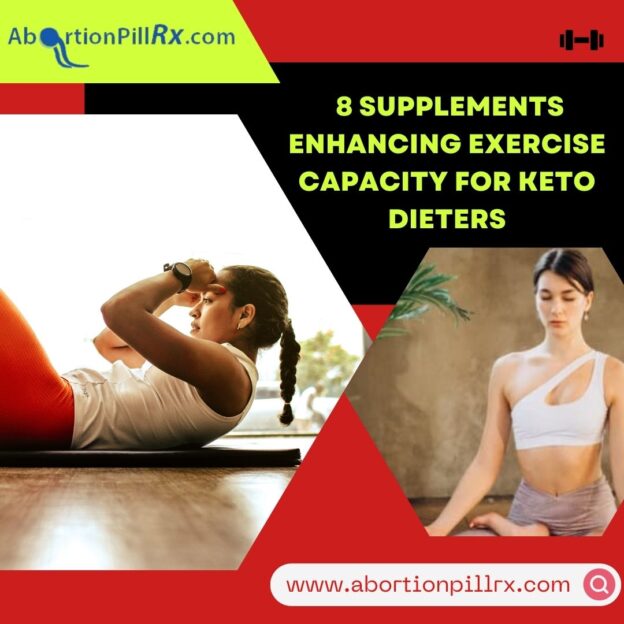
8 Supplements Enhancing Exercise Capacity for Keto Dieters

A keto diet helps maintain weight, combat diabetes, and reduce epileptic fits along with having other health benefits. Those starting with a keto meal plan may, however, experience loss of energy, weakness, and lack of stamina. This is because of limited calorie intake, which takes the body time to neutralize and adjust to, even for those following an active lifestyle and subscribed to fitness programs. Let’s discuss the pre-workout supplements for keto dieters that will keep the energy reserve high on a limited carbohydrate intake.

What is a Keto Diet and Why You May Need Supplements?

A keto diet is similar to the Atkins diet. However, they both bear some distinctions. The former is a high-fat meal plan with low carbohydrate content. Since your body depends on carbohydrates to perform several functions and receive energy supply. Those new to a keto diet may require additional supplements, especially if they are fitness-oriented and exercise regularly. It is more necessary for women, especially those breastfeeding and planning for a pregnancy.

Best Pre-Workout Supplements to Elevate Your Health

Women following a workout schedule may include pre-workout supplements for keto dieters to maintain a fit body and health:

1.    Taurine

This organic amino acid is found in the large intestine. It maintains electrolyte balance, regulates mineral levels, and accelerates bile salt digestion. When on a keto diet, you get at least 40mg to 400mg of taurine, which depletes on a keto diet. Taurine supplements, thus, keep you hydrated before and after exercise. It also functions as an antioxidant.

2.    Green Powder and Glutamine

For women’s healthcare, a keto diet does wonders right from managing digestive issues to weight control and improving mood. Glutamine and Green Powder assist in the production of digestive enzymes and replenishing glycogen. They provide you with carbohydrates and food-breakdown power, equally important for overall well-being.

3.    Carnitine

Keto dieters understand why Carnitine is important for their health. Oxidation follows when breaking down fatty acids because keto food contains more fat. Carnitine aids in the process of transferring the fatty acids to mitochondria. High-fat food reduces carnitine from the body during ketone synthesis. Thus, a Carnitine supplement helps to burn fat when required and keeps you fit.

4.    Caffeine

Caffeine is found in coffee, energy drinks, and soda-based beverages. It is useful for people not in the ketosis state yet or those new to the keto diet. It produces extra ketones and energy in the body. Thus, caffeine is one of the best pre-workout supplements, which boosts stamina, helping you keep going for the entire day.

5.    Essential Amino Acids (EAAs)

Your body requires nine essential amino acids to build muscles and body cells. If you follow a keto diet, you may lose muscle strength initially due to a shift to another dietary practice. However, EAAs can fight off muscle strength decline by giving you the necessary proteins and assisting with muscle creation. This supplement allows the body to stay in an anabolic state, reducing weakness.

6.    Exogenous Ketones

Exogenous ketones are the pre-workout supplements for keto dieters in breaking down fatty acids and helping people lose weight. If you are new to a keto diet, exogenous ketones reduce lethargic feelings even if the calorie intake is restricted. It gives you more energy to regularize an exercise routine. They also complement mental boosts to keep up the ‘good feeling’ in every task you do.

7.    Beta-Hydroxybutyrate (BHB)

Your body naturally creates Beta-hydroxybutyrate (BHB), a chemical that provides energy when you do not consume enough sugars and carbohydrates. For keto dieters, BHB supplements can assist the nerves and brain work efficiently. It also improves muscular ability, crucial for those exercising daily. This supplement enhances athletic performance and is good for reducing migraine and symptoms of Parkinson’s and Alzheimer’s disease.

8.    Electrolytes

It is normal to feel dehydrated when exercising. Rather than drinking something excessively sugary and unhealthy, you can switch to electrolyte water or electrolyte-based beverages, which will replenish micronutrients and minerals, and support the keto diet regimen. Moreover, electrolyte supplements are rich in bicarbonate, chloride, sodium, phosphate, potassium, and calcium, which promote cardiovascular function, and that of several glands.

To Conclude

The above-mentioned pre-workout supplements for keto dieters are useful for maintaining health and fitness. If on a keto diet, you can try multivitamin supplements, magnesium, MCT oils, and Omega-3 oils. Together, these promote optimal body weight, which you can improve with lifestyle changes. Speak with your healthcare provider or dietician to plan further for a balanced life on a keto diet.
This entry was posted in Women's Health and tagged Best Preworkout Supplements, Preworkout Supplements for Keto Dieters by .

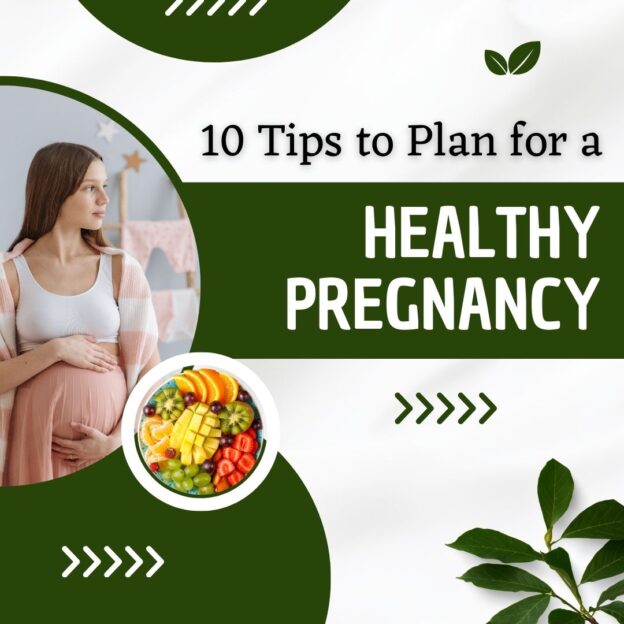
10 Tips to Plan for a Healthy Pregnancy

Are you willing to have a pregnancy? If you wish to plan the conception, you must make several preparations. These include talking to your physician about medical history and genetics, checking vaccination status, having a healthy diet, including certain supplements, having intercourse at the right time, lifestyle changes, and more. Let’s go through all these women’s healthcare aspects so that you can successfully get pregnant.

Reviewing Your Health Before Pregnancy

It is important to evaluate your health even if you have had pregnancies in the past. Here is more about it:

1.      Diagnostics Tests: A pre-checkup for pregnancy is essential. This may include a pelvic exam to note the health of the vagina, uterus, cervix, and ovaries. The physician may recommend blood tests to understand if there are any sexually transmitted diseases or infections, and the blood type of parents-to-be. A pap smear, a sample of cervical cells can track cancer, while a physical evaluation may check for blood pressure, breathing and pulse rate, body weight, and temperature.

2.      Family and Personal Medical History: Share with your physician if you have any chronic conditions that may impact the pregnancy. These include high blood pressure, allergies, epilepsy, anemia, diabetes, etc. Also, inform about previous surgeries, miscarriages (if any), current medications, etc. Similarly, assessing paternal and maternal medical history can help detect if there is a risk of any health issue passing to the child.

3.      Vaccinations: Since you are planning for a pregnancy, take the vaccination for varicella (chickenpox) and rubella (German measles) a month before conceiving. Both these diseases during pregnancy can lead to birth defects and loss of pregnancy. Also, you cannot get vaccinated for these two if pregnant. Also, stay updated on the annual flu vaccine.

4.      Genetics: Get a genetic screening before pregnancy. The baby can inherit certain genetic disorders such as Tay-Sachs disease, sickle cell anemia, cystic fibrosis, etc. Your healthcare provider will guide you about the necessary blood tests and diagnostics to identify any faulty genes on the mother’s and father’s end.

5.      Exposure to Pathogens: Viral infections, especially COVID-19 and Zika, cause serious health issues in the mother and her child. Thus, understanding if there has been any virus infliction can help recover, so that you can prepare for a healthy pregnancy.

Preparing Yourself for a Pregnancy

Work on your health and body to have a normal pregnancy. Here are a few tips to follow to ensure that:

1.      Following a Balanced Diet, Limiting Alcohol, and Smoking: Include nourishing foods in your diet to take care of yourself and the baby. Add vegetables, fruits, lean proteins, low-fat dairy, and whole grains. Keep away from fatty and highly processed foods. Do not take much caffeine, so limit your coffee intake. Also, avoid drinking alcohol as it can impact your fertility. The same goes for smoking, otherwise, it may increase the risks of lower birth weight, premature birth, and fetal issues.

2.      Exercising and Managing Weight: Maintaining your body through regular exercise will keep at bay several medical problems. After all, excess weight can reduce your chances of conceiving. So, to manage a proper weight and tackle diabetes, high blood pressure, etc., switch to an exercise routine, including yoga, aerobics, and cardio. Similarly, you need to ensure that you do not go underweight as it can even cause inadequate weight for the baby.

3.      Add Vitamins: Talk to your physician about prenatal vitamins. You can start with 400mcg of folic acid daily to reduce birth defect risks in the spinal cord and brain. Folic acid deficiency is not good for women’s healthcare and results in neural tube defects for the baby. This is a B vitamin that you must begin a month before pregnancy. Plan to add other vitamins and nutrients accordingly as per the advice of your healthcare provider.

4.      Prevent Infections: Fighting off the risks of catching an infection is important when planning for a pregnancy. Wash your hands with soap and water frequently. Avoid contact with cat litter or animal feces as these contain viruses and pathogens. Keep your distance from anyone who is sick. Do not eat raw eggs and undercooked food, especially meat. Similarly, do not expose yourself to chemical substances and toxins such as radiation, pesticides, etc.

5.      Falling Pregnant: Now, you must know when to have unprotected intercourse to conceive. You may get pregnant during ovulation. It is when ovaries produce a mature egg, which the sperm mates to cause a fertilization. Ovulation starts 14 days before the initial day of your next menstrual cycle (period). This duration for a cycle is 28 days on average. However, some women can have a longer or shorter cycle. A mature egg survives for 12 to 24 hours and the sperm should fertilize it then.

To Conclude

Family planning is the first step to a successful pregnancy. Speak with your physician about tracking your health status and diagnostic tests to plan for a healthy pregnancy. Simultaneously, take care of your body and diet, ward off risks of infections and diseases, and have intercourse during the fertile period to conceive.

This entry was posted in Women's Health and tagged Birth Control Pills by .

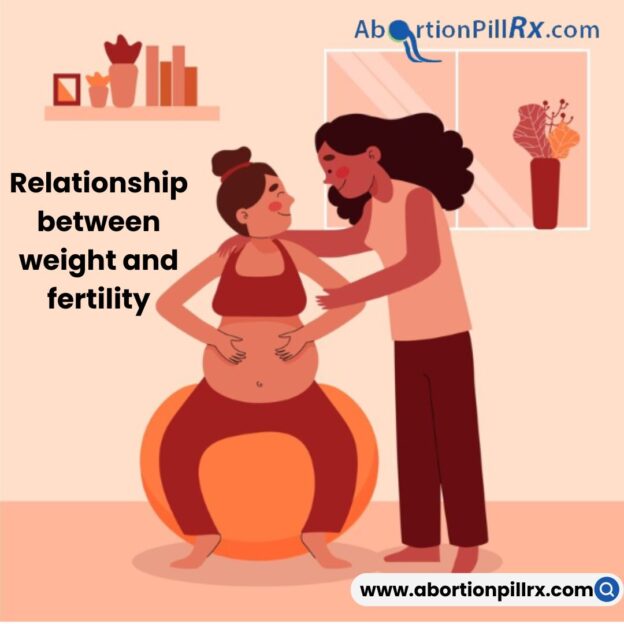
Relationship between weight and fertility

Some people are unaware of the relationship between obesity and women’s fertility. Did you know there is a link between obesity and chronic illness like diabetes and heart problems?

Hormonal imbalances can increase or reduce your weight, compromising your fertility. Maintaining a healthy weight is essential to live a healthy life, especially for women who want to conceive.

Being overweight or underweight can affect women’s fertility. However, it will be easy to conceive if you have a balanced weight and healthy lifestyle. 

What is the good weight of getting pregnant?

Ideal weight for pregnancy is determined by BMI (body mass index). A BMI calculator by age and weight can accurately indicate if you are at the right weight to get pregnant. The only way to calculate your BMI is through height and weight. 

Look at these BMI categories to find out if you have a healthy weight:

Underweight = Below 18.5

Normal weight = ranging between 18.5 and 24.9

Overweight = between 25-29.9

Obese = Anything above BMI 30

Knowing your BMI can help you manage your fertility better. Proper women’s healthcare facilities can be beneficial in this situation.

How does body weight impact fertility in women?

It is true that weight impacts fertility in women, but how? It is important to maintain a healthy weight and that is determined using BMI (body mass index). BMI is calculated based on your height and weight. Some of the causes impacting women’s fertility are: 

Hormonal imbalances: Hormonal imbalances are one of the major reasons why overweight and fertility are connected. The fat cells present in women’s bodies produce estrogen, and it increases when the weight goes up. The excess production of estrogen can disrupt your menstrual cycle and ovulation process. Even if the ovulation is in process, the quality of your eggs will be compromised. 

Ovulation issues: There is no conception without ovulation; hence, if ovulation doesn’t take place or delays, it may get difficult to conceive. Women whose BMI index is more than 27 are more likely to have anovulation, a condition where no egg is released. 

Being overweight reduces your chances of getting pregnant. Studies indicate that obese women have a very less chance of conceiving within a year of stopping contraception than women of normal weight (66.4% versus 81.4%).

Can being overweight cause miscarriage?

When you are overweight, it becomes hard to get pregnant and chances of miscarriage also increase. Miscarriages are more common in obese women, which can be emotionally upsetting for couples attempting to conceive. 

Even if you are trying to get pregnant through IVF, you should have a healthy weight. Obesity reduces the rate of pregnancy and live births in women using ART as well as the risk of miscarriage, according to studies. However, weight loss with diet, lifestyle, and other changes can significantly improve the chances of pregnancy.

Tips for a healthier weight before pregnancy

  • Follow a nutrition-rich diet. Eat green leafy vegetables, fruits, legumes, whole grains, lean meat, milk, yogurt, cheese, fish, eggs, nuts, and seeds. 
  • Do not consume processed or packed foods. Avoid eating biscuits, fatty meats, cakes, pastries, and junk foods. You can eat them in moderation. 
  • Cut back on healthy snacking and eat regular home meals.
  • Half of your plate should be filled with vegetables during lunch and dinner.
  • Avoid sugary drinks, alcohol, and smoking.
  • Reduce your food portion size.
  • Regular exercise is important. Go out for a stroll; take the stairs instead of an elevator. These small things can make a huge difference.
  • If you are working on the computer continuously, get up and move around for a while. Reduce your screen time for other outdoor activities. 
  • Set a goal for weight loss to stay active and motivated throughout.
  • You can even start this plan with your partner to reach your goal faster and improve your chances of getting pregnant and having a healthy baby.

Underweight and fertility 

Being underweight can also reduce  your chances of . If your body mass index (BMI) is below 18, you are considered underweight. Underweight women are more likely to take more than a year to conceive than women who are a healthy weight.

If you want to conceive but are underweight, get the help of a nutritionist and start your journey of healthy weight gain.

This entry was posted in Women's Health and tagged Hormonal Imbalances, Obesity and women's fertility, OverWeight and Fertility, women healthcare by .