
Category Archives: Women’s Health

Amenorrhea and How it Impacts Periods in Women

Recently updated on April 1st, 2025 at 07:22 am

Did your period stop suddenly and unexpectedly? You may be concerned, and that is normal. However, you are not pregnant. So, what is the cause of such a change? Is it stress or something more severe? We are here to provide facts about women’s health and the reasons for menstrual cycle disruption. In this blog, we will particularly focus on Amenorrhea, which is not always a serious issue yet is something that most people are unaware of.

Amenorrhea is a condition where a female does not get her period usually because of hormonal shifts. Now, such hormonal changes could be due to stress, premature menopause, weight loss, etc. The treatment includes identifying the root cause and managing it. While not a medical condition requiring immediate attention, it is related to gynecological health, whose well-being is paramount for any woman.

If you think pregnancy caused a stop in menstruation, you can always get a pregnancy test. You can test for it at home using a pregnancy kit, a hormone test for pregnancy hormones, or an ultrasound scan of the abdomen. But if the results come clean and your periods stop even when you have not conceived, we will explain how Amenorrhea could be behind it, other causes, and possible remedies.

Primary and Secondary Amenorrhea: What You Should Know

Amenorrhea is either primary or secondary. It is crucial to understand which of these are impacting you leading to abnormal periods or absence of menstruation altogether. Primary Amenorrhea is when a woman has not got her first period yet until 16 years of age. It Is mostly because of problems with the pituitary gland or brain. For instance, suppression of FSH and LH because of pituitary adenomas secreting prolactin.

Ovary function interruption because of chromosomal or genetic abnormalities such as Turner syndrome can also result in primary Amenorrhea. On the flip side, the secondary one occurs in women who have had a normal period cycle but suddenly stop menstruating without a warning sign. Changes in hormones and organs engaged in the menstrual process may give rise to primary Amenorrhea.

Secondary Amenorrhea, on the other hand, has several causes from stress, hormonal shifts, pregnancy, etc. It may bring symptoms such as hair loss, pelvic pain, headaches, a milky discharge from the nipples, acne, a significant increase in facial hair, and vision changes.

What Causes Amenorrhea, a Brief List

While women’s health may not be impacted much by Amenorrhea, it may be a sign of fertility issues, if not addressed, may lead to problems getting pregnant. Here are the possible causes:

· Lifestyle factors such as too much stress can delay periods or result in the absence of it. Stress can affect the hypothalamus function, a brain part that triggers and manages hormones involved in the proper menstrual cycle and its maintenance.

· An underweight person is more vulnerable to Amenorrhea than one with a normal weight. The risk may increase if you are more than ten percent underweight.

· Certain medications may result in abnormal periods or disturbed menstrual cycles. Some medicines are those for chemotherapy, birth control (devices, pills, and injections), allergy, high blood pressure treatment, and psychiatric disorders such as bipolar disorder, depression, etc.

· Intense workout or athletic training, which meddles with menstruation, or structural issues with the reproductive organs, such as scars in the uterus.

· If hormonal imbalance is because of a tumor on the pituitary gland, polycystic ovary syndrome (PCOS), premature menopause (when a female stops getting her periods earlier than age 50), thyroid issues such as hypothyroidism (underactive thyroid), or an overactive thyroid (hyperthyroidism).

To Conclude

As discussed, the women’s health treatment for Amenorrhea will depend on the underlying cause of it. There could be more than one treatment technique applicable. So, if you stop getting your periods not because you are pregnant, you should look for other reasons. Subjective management methods depending on the cause include maintenance of healthy weight for those underweight, thyroid medicines to treat thyroid-related issues, etc.Lifestyle changes for those with stress to feel calm, and hormonal supplements for those with hormonal imbalance. While abnormal periods or absence of menstruation may occur not only because of Amenorrhea, the latter is one of the common causes. Women may also experience other menstrual cycle issues such as painful or irregular periods, excessive bleeding, and more. The key to addressing these problems is solely knowing the reason behind them and treating them the same step-by-step.

This entry was posted in Uncategorized, Women's Health and tagged Abnormal Periods, women’s health by .

Permanent Birth Control Options for Women and Men

Recently updated on March 19th, 2025 at 07:30 am

Are you considering permanent birth control? Several safe options are available, thanks to women’s healthcare advancement procedures. Some are nonsurgical methods; the others involve very little use of invasive means. These are so effective that only 1 out of 100 females stand the chance of getting pregnant a year following the sterilization. The most popular alternative is laparoscopic tubal ligation for women and vasectomy of the male partner.

For those seeking long-term birth control, an intrauterine device or IUD (hormonal or non-hormonal) is a great option. In this post, we will give an insight into permanent contraception procedures, so that you can decide, which procedure may be right for you:

Top 3 Permanent Birth Control Options for Women and Men

Looking for effective permanent birth control options can help take off the pressure of risking a pregnancy after unprotected intercourse. Here are our top 3 picks for this surety:

1.    Tubal Occlusion or Implant

While it is not the most sought-after permanent birth control alternative, it was renowned in its time, known as Essure or hysteroscopic sterilization. Here, fallopian blockage was the primary idea by inserting small coils inside through thin tubes. As the fallopian tubes healed, scar tissue formed, which blocked the tubes leaving no chance for successful implantation as a mature egg would not pass into the uterus to result in a pregnancy.

2.    Tubal Ligation

Are you looking for birth control options that work and are recognized for effectiveness? We present to you ‘tubal ligation’, which means having the fallopian tubes tied. You will have to get admitted to a hospital and probably go under general anesthesia. The surgeon will either apply the technique – mini-laparotomy or laparoscopy. In the former, a small incision is done on the abdomen to remove tubal sections. Removal of partial or entire tubes takes place, or these are tied to block the egg and sperm from fertilization and uterine implantation.

3.    Vasectomy

Managing an unplanned pregnancy is also possible for men, and they can also look for permanent birth control methods. Only 2 out of 1000 females stand the risk of conceiving after the initial year from their man’s vasectomy. The procedure is simple and done under local anesthesia at a urologist’s clinic. The male can return home after some observation, on the same day.

Remember, vasectomy is safe and does not affect orgasm or erection, or risk your partner’s health in any way, including causing cancer. Many do not know that it can take 15 to 20 ejaculations for men who have had a vasectomy to flush out sperm from the semen. So, even if the male partner chooses this birth control alternative, using backup contraception is mandatory for the first three months to prevent a pregnancy.

Monitoring of fertility and the man’s semen with a healthcare provider can let you know if it is okay to have unprotected intercourse. Are vasectomies reversible? Yes, possible they are and if you want to have children, then the surgeon can perform a reversal process.

Things to Keep in Mind Before Permanent Contraception

Here are some questions to ask when you opt for birth control options, especially a sterilization process. It is better to be straight with your queries and expectations to understand everything about not having a pregnancy anytime soon, or never. Speak with your healthcare provider about the following:

·        Are you and your partner ready for a sterilization procedure and do both approve of this method of controlling a pregnancy?

·        Do you want to stop a pregnancy from happening because you want it, or just because your partner is asking you for it?

·        Are there any medical conditions to talk about? What are the medicines you are taking? Do you have any allergies?

·        If you want to conceive in the future, do you want to consider birth control, which is easily reversible?

·        Do you know women’s healthcare needs for pregnancy control through contraceptive pills, hormonal shots or injections, skin patches, IUDs, and other techniques?

·        Have you spoken about all types of contraception alternatives with your partner and then chose a permanent one?

Are There Birth Control Methods Easily Reversible?

If you do not want to pursue permanent birth control, you can depend on birth control pills for pregnancy prevention. If you want to conceive, stop the dosage and plan for the pregnancy. This does not include any device insertion in the body or sticking of any patch on the skin. Or, you can also consider a vaginal ring that slowly releases hormones in the body to stop a pregnancy from taking place. These methods are non-invasive, cost-effective, and without much adverse health effects.

To Conclude

We understand birth control is a decision for women, which needs complete education so that it is possible to pick from a variety of options, from temporary to permanent, and reversible. For women’s healthcare, contraceptive pills are one of the hormonal ways for pregnancy prevention. However, you can even check out the more permanent replacements.

This entry was posted in Birth Control Pills, Women's Health and tagged Birth Control Options, Permanent Birth Control by .

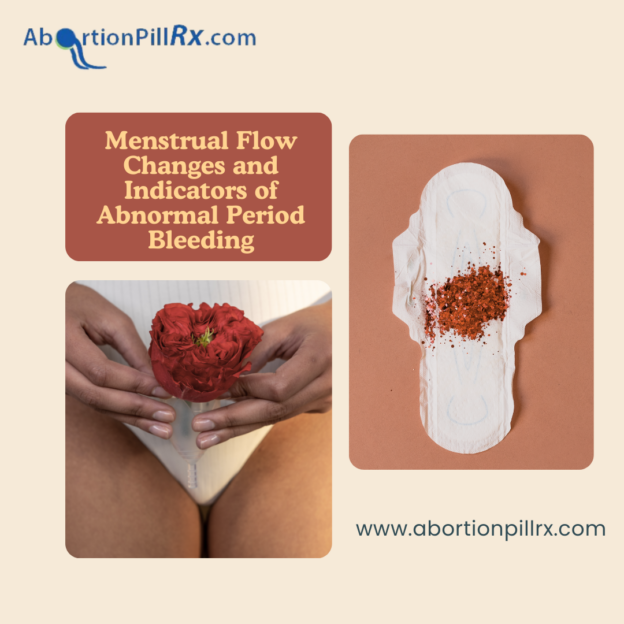
Menstrual Flow Changes and Indicators of Abnormal Period Bleeding

So, do you have a light or heavy blood flow during periods? How many days does the menstruation last? These are some questions to answer to understand if you have an unusual or ordinary menstrual cycle. To evaluate your periods, it’s crucial that you familiarize yourself with your menstruation pattern – how regularly do you bleed? What is the color of the blood those days? Do you suffer from irregular periods or any menstrual health issues? Let’s discuss more to analyze your gynecological health better.

Is My Menstrual Cycle Normal or Abnormal?

Maybe you discuss among your friends and family members about your menstrual cycle and compare the details to understand if your period bleeding is okay or not. However, a wiser way to analyze it is to consider when you get your first period. It could be anywhere between 9 years old to 16. It is notable that for the initial three years, you can expect menstrual flow changes, which adapt a regular pattern later on.

·        A period can recur after every 24 to 38 days. For some, the flow can last for 2 to 3 days and up to 8 days. Determining if you have a normal or abnormal menstrual cycle depends on factors such as your current health state, medical conditions, health history, age, etc.

·        Also, those in their late 40s can experience perimenopause. This is a phase in life where the period may become irregular as an onset of menopause. When you reach the menopausal stage, the menstrual cycle completely stops.

·        With women’s healthcare not always well understood, if you notice bleeding that is not normal, schedule a visit to a physician so that they can diagnose any issue. If you are pregnant, bleeding at any stage is alarming.

·        If you are on a birth control product, and begin bleeding between doses, it is a concern. Also, if you bleed between intercourse after the act, or between your periods, you must speak with a professional.

Menstrual Bleeding Color: Meaning and Differences

Whether irregular periods or a regular menstrual cycle, every woman’s period blood color is not the same. You can expect some variation. The differences also occur depending on when the blood is exiting your body. Though these factors should not bother you, it is best to understand the meaning of different menstrual bleeding colors, and what you can expect.

·        Brown or Black: If the blood leaves after a longer time from the body, you may have black or brown bleeding at the beginning and end of the menstrual cycle. It means the flow is taking longer to complete, and following a slower cycle. Brown blood also leaves the body if you had a childbirth. This can continue for four to six weeks, known as lochia. The color can turn to pink afterward.

·        Pink: The menstrual flow changes as the period progresses. Some women do not get much bleeding in the initial couple of days, and vice-versa. When cervical fluid mixes with menstrual bleeding, it can look like a pinkish discharge and not a cause of concern.

·        Bright Red: When you have heavy flow and fresh blood leaves the body, the bleeding color is usually bright red with some differences in color as more days pass. If you have an abnormal menstrual cycle, a heavy period may occur, which again may cause bright red bleeding when more than expected bleeding happens.

·        Grey Discharge: This is a sign of vaginal infection probably. If the bleeding is gray, green, or yellowish, contact your healthcare provider immediately, more so if it is foul-smelling. A timely treatment can help you recover from the infection so that your next period is normal.

Is a Heavy Period Bad for Health?

While some women experience heavier periods compared to others, you should watch out if the bleeding is too heavy. If you have to use more than one or more tampons or pads every couple of hours during menstruation, it can indicate a heavy period. This is an abnormal menstrual cycle, especially if it makes you feel dizzy, lightheaded, and drained. Another reason for heavy flow during menstruation is adenomyosis where endometrial glands are situated in the uterine muscle, causing painful and excessive periods.

The condition is often termed menorrhagia, and common causes include uterine fibroids, hormone imbalances, polyps, polycystic ovary syndrome, certain medications, intrauterine devices, or uterine cancer.  Some of the symptoms are:

·        Long period, lasting for more than eight days.

·        Having issues breathing at the time of bleeding or afterward.

·        Feeling fatigued and falling unconscious, a possible anemia indication.

·        Passing coin-sized large blood clots with the bleeding.

Irregular Periods and Their Causes

For the right women’s healthcare advice, your gynecologist is the first person to speak to, especially if you experience irregular periods or abnormal bleeding. Some causes of irregular menstrual flow are fibroids, IUDs, pregnancy, polyps, cancer, use of certain antidepressants, stress, weight changes, hormone imbalances, and cysts. This can also result in missed or skipped periods. If you do not get a regular menstrual cycle suddenly, get a pregnancy test. It is possible you conceived.

Painful cramps may happen if you get irregular periods often. To get some relief from painful cramps caused usually by uterine contractions or the inability for blood to flow properly, take hot baths, reduce stress, use over-the-counter pain medicines, eat dark chocolate, use birth control pills to treat hormonal imbalance, and avoid drinking alcohol. However, a painful period can have an underlying health cause, so consider a health checkup.

To Conclude

If you notice unusual menstrual flow changes or abnormal bleeding during periods, speak with a gynecologist for further investigations. Menstrual health is an important indicator of a female’s overall well-being and fertility. So, watch out for any signs of concern and tackle those early.

This entry was posted in Women's Health and tagged Abnormal menstrual cycle, Irregular period, Menstrual flow changes by .