
Category Archives: Birth Control Pills

Permanent Birth Control Options for Women and Men

Recently updated on March 19th, 2025 at 07:30 am

Are you considering permanent birth control? Several safe options are available, thanks to women’s healthcare advancement procedures. Some are nonsurgical methods; the others involve very little use of invasive means. These are so effective that only 1 out of 100 females stand the chance of getting pregnant a year following the sterilization. The most popular alternative is laparoscopic tubal ligation for women and vasectomy of the male partner.

For those seeking long-term birth control, an intrauterine device or IUD (hormonal or non-hormonal) is a great option. In this post, we will give an insight into permanent contraception procedures, so that you can decide, which procedure may be right for you:

Top 3 Permanent Birth Control Options for Women and Men

Looking for effective permanent birth control options can help take off the pressure of risking a pregnancy after unprotected intercourse. Here are our top 3 picks for this surety:

1.    Tubal Occlusion or Implant

While it is not the most sought-after permanent birth control alternative, it was renowned in its time, known as Essure or hysteroscopic sterilization. Here, fallopian blockage was the primary idea by inserting small coils inside through thin tubes. As the fallopian tubes healed, scar tissue formed, which blocked the tubes leaving no chance for successful implantation as a mature egg would not pass into the uterus to result in a pregnancy.

2.    Tubal Ligation

Are you looking for birth control options that work and are recognized for effectiveness? We present to you ‘tubal ligation’, which means having the fallopian tubes tied. You will have to get admitted to a hospital and probably go under general anesthesia. The surgeon will either apply the technique – mini-laparotomy or laparoscopy. In the former, a small incision is done on the abdomen to remove tubal sections. Removal of partial or entire tubes takes place, or these are tied to block the egg and sperm from fertilization and uterine implantation.

3.    Vasectomy

Managing an unplanned pregnancy is also possible for men, and they can also look for permanent birth control methods. Only 2 out of 1000 females stand the risk of conceiving after the initial year from their man’s vasectomy. The procedure is simple and done under local anesthesia at a urologist’s clinic. The male can return home after some observation, on the same day.

Remember, vasectomy is safe and does not affect orgasm or erection, or risk your partner’s health in any way, including causing cancer. Many do not know that it can take 15 to 20 ejaculations for men who have had a vasectomy to flush out sperm from the semen. So, even if the male partner chooses this birth control alternative, using backup contraception is mandatory for the first three months to prevent a pregnancy.

Monitoring of fertility and the man’s semen with a healthcare provider can let you know if it is okay to have unprotected intercourse. Are vasectomies reversible? Yes, possible they are and if you want to have children, then the surgeon can perform a reversal process.

Things to Keep in Mind Before Permanent Contraception

Here are some questions to ask when you opt for birth control options, especially a sterilization process. It is better to be straight with your queries and expectations to understand everything about not having a pregnancy anytime soon, or never. Speak with your healthcare provider about the following:

·        Are you and your partner ready for a sterilization procedure and do both approve of this method of controlling a pregnancy?

·        Do you want to stop a pregnancy from happening because you want it, or just because your partner is asking you for it?

·        Are there any medical conditions to talk about? What are the medicines you are taking? Do you have any allergies?

·        If you want to conceive in the future, do you want to consider birth control, which is easily reversible?

·        Do you know women’s healthcare needs for pregnancy control through contraceptive pills, hormonal shots or injections, skin patches, IUDs, and other techniques?

·        Have you spoken about all types of contraception alternatives with your partner and then chose a permanent one?

Are There Birth Control Methods Easily Reversible?

If you do not want to pursue permanent birth control, you can depend on birth control pills for pregnancy prevention. If you want to conceive, stop the dosage and plan for the pregnancy. This does not include any device insertion in the body or sticking of any patch on the skin. Or, you can also consider a vaginal ring that slowly releases hormones in the body to stop a pregnancy from taking place. These methods are non-invasive, cost-effective, and without much adverse health effects.

To Conclude

We understand birth control is a decision for women, which needs complete education so that it is possible to pick from a variety of options, from temporary to permanent, and reversible. For women’s healthcare, contraceptive pills are one of the hormonal ways for pregnancy prevention. However, you can even check out the more permanent replacements.
This entry was posted in Birth Control Pills, Women's Health and tagged Birth Control Options, Permanent Birth Control by .

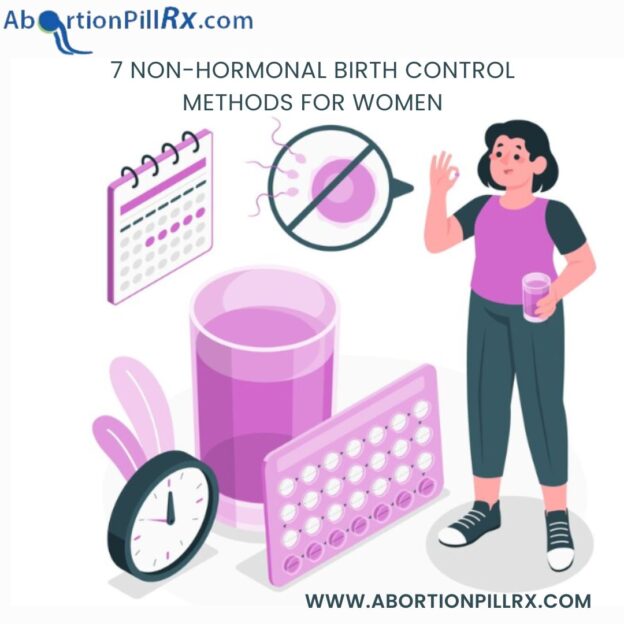
7 Non-Hormonal Birth Control Methods for Women

In recent years, birth control has taken center stage for the betterment of women’s reproductive health. The landscape of birth control has significantly expanded beyond traditional hormonal methods. With the availability of hormone-free contraception options, it’s been made easier for women to take care of their reproductive health. 

Individuals who have hormonal issues, health concerns, or personal choices can prefer non-hormonal birth control methods. There are several options available for birth control that are not hormonal. 

Hormonal birth control or non-hormonal birth control methods help prevent pregnancies. It is important to understand that each person’s body is unique, and what works for one person may not work for another. That is why speaking with a healthcare expert is essential.

If you want to know what the non-hormonal birth control methods are, read this complete blog post and get detailed information on these methods, their effectiveness, benefits, and considerations.

What are non-hormonal birth control methods?

Nonhormonal birth control refers to any method that does not affect a woman’s hormones. Condoms are a popular type, but there are many others. However, hormonal birth control is not the best option for everyone. 

Due to medical conditions like heart illness or a phase in life like the first few weeks after having a child, some people are unable to use certain birth control methods. Certain individuals may wish to refrain from using hormonal birth control for private reasons. 

Why does one choose non-hormonal birth control methods?

Options for Male Birth Control Hormonal contraceptives alter a woman’s hormone levels to prevent conception, such as the birth control pill and hormonal implants. They might be dependable and convenient. However, some people may find them to be unsuitable for various reasons, such as:

  • The pill must be taken at the same time each day, which you must remember.
  • To have the device implanted, or put in, you must visit a physician.
  • They do not prevent STDs (sexually transmitted diseases).
  • They may increase your risk of developing blood clots or breast cancer, as well as cause mood fluctuations and weight gain.
  • You may not have sex frequently enough to require continued birth control.
  • If you are nursing, you may be passing hormones to your infant.

Hence, many people choose to go with hormone-free contraception options that don’t interfere with their hormones. 

7 Non-hormonal birth control methods

  1. Barrier Methods: Barrier methods stop sperm from getting inside the uterus. These methods are only used during sexual activity, and each time someone has sex, they should apply them correctly.

While certain barrier methods are available without a prescription from a medical provider, others can only be bought over the counter. This method includes male and female condoms.

  1. Diaphragm: The diaphragm is a tiny, flexible silicone cup. To cover the cervix, a person inserts the diaphragm into their vagina. It has an effectiveness rate of 83%, which implies that 17 out of 100 people will still get pregnant using a diaphragm.

Spermicide should be used in conjunction with diaphragms. Before implantation, it can be administered to the diaphragm and the surrounding areas.

  1. Cervical Cap: The cervical cap is a tiny silicone cup that covers the cervix and is inserted into the vagina. Similar to a diaphragm, but smaller in size. It is available in three sizes and the FemCap brand is the only cervical cap that may be purchased in the United States.

About 20% of the women who use it will become pregnant within a year, or 20 out of every 100.

  1. Spermicides: Before engaging in sexual activity, spermicides are inserted into the vagina to prevent sperm from entering the uterus. They come in suppositories, gels, and cream forms. Spermicide on its alone has around a 28% failure rate. It can be used to increase the effectiveness of other contraceptives, such as diaphragms and condoms.
  1. Copper IUD: This T-shaped piece of plastic is a nonhormonal intrauterine device. It goes into your uterus. It’s coated with copper, which is harmful to sperm and prevents them from traveling through the vagina to reach the fertilized egg. Otherwise, it keeps the fertilized egg from attaching to your womb.
  1. Vaginal Gel: You apply this gel on your vagina with an applicator before having sex. It prevents the pH level in the vagina from rising, allowing sperm to go to the reproductive canal and reach the egg. It is considered 86% effective. You can use it with condoms, diaphragms, or other contraceptives to increase their efficacy.
  1. Sterilization: Sterilization procedures are of two types. In the first, known as tubal ligation, a woman’s fallopian tubes are blocked to stop an egg from entering her uterus. The second, known as a vasectomy, involves sealing the tubes that extract sperm from a man’s testicles. These methods are 100% effective in preventing pregnancy.
This entry was posted in Birth Control Pills, Women's Health and tagged birth control, Birth Control Pills, Birth control pills online by .

Advantages of Free Birth Control Options: Why Don’t Women Use It Enough?

Women’s access to birth control is now better in many regions of the world, thanks to the implementation of free contraceptive programs. However, despite their accessibility, not all women use these services. In this blog, we’ll look at why some women may choose not to take birth control, even if it’s free, and why contraception is such an important option for women’s health and empowerment.

Nevertheless, not every woman is taking advantage of these free options. Lack of awareness could be one of the causes. Some women may not even be aware that free birth control is an option. It is for this reason that educating and spreading information is crucial.

Myths and misconceptions around birth control could be another factor. Women may worry about the side effects of the pills and the complications of using the contraceptive options. The good news is that there are numerous birth control options available, so if one doesn’t work for you, there’s usually another that will.

Then there’s the access problem. Birth control is not easily available to everyone, even though it can come for free. Some women could be living in regions with a shortage of healthcare experts or encounter other challenges when seeking the necessary medical attention.

Let’s not forget about cultural or religious views that may impact a woman’s decision on birth control. Certain cultures or faiths have different beliefs regarding family planning that may influence whether or not a woman chooses to use contraception.

Reasons why women aren’t taking advantage of free birth control

  • Lack of awareness: Some women may be unaware that free birth control is accessible to them. Limited education or information on contraception methods may contribute to this lack of awareness. 
  • Concern about side effects: Women may be concerned about potential side effects from various birth control methods, such as hormone changes or weight gain. Women may be discouraged from considering birth control due to misconceptions or misunderstandings regarding its side effects.
  • Access barriers: Even when birth control is provided for free, real-world challenges such as transportation or the limitation of time may make it difficult for some women to obtain contraceptive treatments. A lack of nearby healthcare facilities or qualified physicians providing contraception might also be challenging.
  • Cultural and religious beliefs: Cultural or religious ideas about contraception might discourage some women from taking birth control. In some societies, women’s decisions may be influenced by societal shame or taboos around birth control use.
  • Lack of Finances: While birth control is free, additional costs, such as doctor appointments or follow-up visits, may still be expensive for some women. Financial instability or a lack of insurance coverage for relevant healthcare services might also limit women’s ability to access free birth control options.

Benefits of birth control for women

  • Empowerment and autonomy: Birth control enables women to make sounder choices regarding their reproductive health and family planning. Women with control over when and if they become pregnant have more freedom to pursue their education, professions, and personal aspirations.
  • Health benefits: For some women, birth control means more than just avoiding pregnancy. It can also assist with acne, polycystic ovarian syndrome (PCOS), and endometriosis. Birth control works by lowering hormone levels, which may relieve symptoms and enhance overall health. Hormonal birth control methods can also help treat or prevent illnesses, including ovarian cysts and uterine fibroids.
  • Regular periods: Hormonal birth control can help many women regulate their menstrual cycles, lowering the intensity of symptoms like cramping, heavy bleeding, and irregular periods. This not only improves quality of life but also helps with illnesses such as polycystic ovarian syndrome (PCOS) and endometriosis, which can have a substantial influence on everyday functioning.
  • Reduces risk of cancer: According to studies, long-term usage of certain kinds of birth control, notably oral contraceptives, can reduce the chance of developing ovarian and endometrial cancer. By managing hormone levels, birth control can help maintain a healthier reproductive system, lowering the risk of certain cancers.
  • Prevent unwanted pregnancies: One of the main reasons for using birth control is to avoid unwanted pregnancies. Having control over when and whether to have children allows women to pursue their education, career goals, and dreams.

The bottom line

The reasons why some women do not use free birth control are complicated, with access difficulties, concerns about side effects, cultural influences, and misinformation all playing a role.

By recognizing and addressing these issues, we can strive toward a future in which all women have access to the resources they require to make sensible choices about their reproductive health.

This entry was posted in Birth Control Pills, Contraceptive pills, Loette, Ovral, Ovral G, Ovral L, Plan B Pill, Yasmin and tagged advantage of free birth control, contraceptive care for women by .