


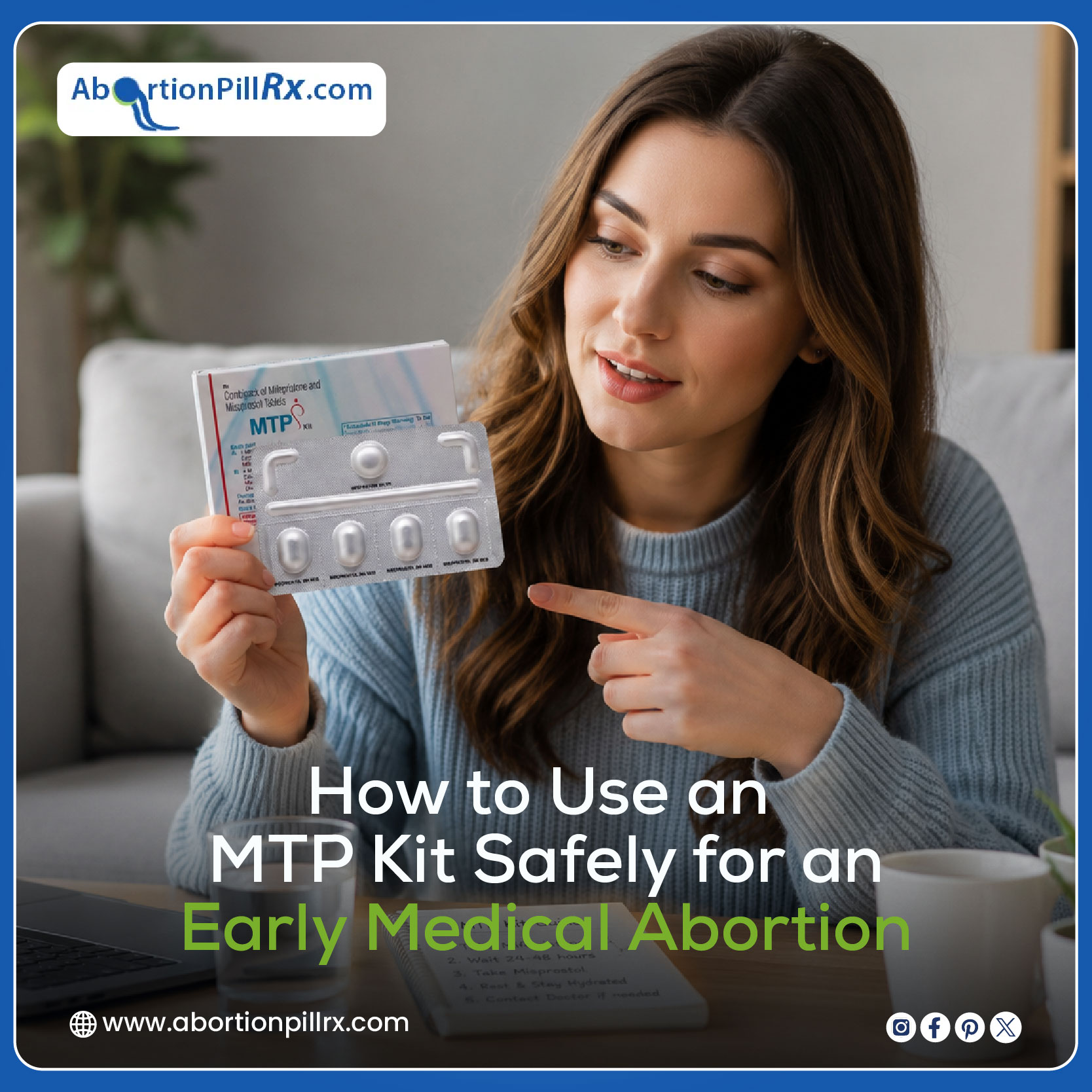
An strong MTP Kit is a complete package of abortion pills with Mifepristone 200mg and Misoprostol 800mcg (4 x 200mcg pills). It is effective to end an early pregnancy up to 95-98% times. While the pills in it are FDA-approved, not everyone understands how to use these correctly to self-initiate a pregnancy termination at home. So, in this blog, we will explore how to use the MTP Kit and what to expect out of it.
What to Know Before the MTP Kit Abortion Process?
Before you begin with Mifepristone and Misoprostol pills, here are a few things to keep in mind:
- Pregnancy Test: An ultrasound pregnancy test is recommended to verify the gestational age and if the pregnancy is ectopic or intrauterine.
- Contraindications: The pill-based termination is not for females with an unremoved intrauterine device, severe anemia / asthma, bleeding disorders, chronic adrenal failure, severe kidney / liver / heart disorders, on anticoagulant therapy, and other contraindications.
- Emergency Contact: While you can undergo a medical abortion at home in privacy, do keep emergency care contact with you for easy access in case of a sudden need.
What is an MTP Kit and How Does It Work?
You can take MTP Kit medications to end an early pregnancy i.e. conception up to 10-12 weeks. The pregnancy should be located inside the uterus, and not outside. Here is how the pills function:
- The First Pill: Mifepristone is a 200mg strength antiprogesterone pill. It ends conception by separating the pregnancy portions from the uterus wall. It makes the endometrial lining thin enough to disintegrate. Thus, the pregnancy does not develop.
- Prostaglandin Effect: The next set of pills is 4 x Misoprostol prostaglandin meds. These cause the uterus to stretch and contract, leading to abdominal cramping and pain as a temporary side effect. But the contractions help expel the pregnancy tissues via heavy vaginal bleeding.
How to Take the Pills From the MTP Kit?
Here is a step-by-step dosage instruction for MTP Kit pills:
- Mifepristone Oral Intake: Swallow Mifepristone 200mg pill orally with water on the first day of beginning the abortion. Most people do not experience any discomfort after Mifepristone. For others, it can lead to light spotting and nausea at times. But there is no disruption in daily chores.
- Buccal or Sublingual Misoprostol: Wait for 24 to 48 hours, and use 4 tablets of Misoprostol with strength 200mcg each. You can insert the pills in cheek pouches in the form of buccal intake. Ingest the melted contents after 30 minutes. Or, you may place the pills under your tongue and consume dissolved pills after half an hour.
- Vaginal Misoprostol Use: Misoprostol pills can be inserted vaginally as well. The pills melt inside and get absorbed inside the vaginal tract. Lie down for 30 minutes to facilitate the process after insertion.
What Are the Normal MTP Kit Symptoms?
MTP Kit causes hormonal changes in support of an easy medical abortion. Thus, it causes some expected symptoms, which are a normal part of the procedure. These include:
- Mild side effects like vomiting, nausea, chills, fever for a short time, fatigue, diarrhea, body ache.
- Abdominal pain and cramps from uterine contractions.
- heavy vaginal bleeding like a heavy period to flush out pregnancy contents.
Warning Signs of MTP Kit Pills
Severe complications may occur rarely. However, being aware of those can guide you to seek timely medical intervention. Some warning signs are:
- Excessive bleeding is indicated as soaking 2 or more large-sized pads for two consecutive hours.
- A high fever of 100.4°F (38°C) or beyond lasting for more than 24 hours.
- Foul-smelling vaginal discharge indicates an infection.
- Continued signs of pregnancy even after 2 weeks, such as breast tenderness, nausea, bloating, etc.
Medical Abortion Self-Care Tips and Recovery
After using the MTP Kit abortion pills successfully, here is some guidance about aftercare and recovery:
- Follow-Up: After 2 weeks of the procedure, follow-up with a doctor for a pregnancy ultrasound test. This will help detect if there are any pregnancy remains or not in the uterus.
- Pain Relief: If you experience pain, you can continue to manage the infrequent cramps with Ibuprofen or other over-the-counter pain relievers. Do not use Aspirin as that may increase bleeding.
- Boost Energy: Stay hydrated and drink plenty of water, take some electrolyte-based drinks to combat dehydration and physical discomfort, tiredness, etc. Also, eat a nutritious diet with necessary nutrients and vitamins included in everyday meals.
- Prevent Infection: To prevent infection while still bleeding, use large sanitary pads instead of menstrual cups and tampons. Avoid douching and vaginal intercourse.
- Birth Control: If you are sexually active, do not forget to utilize birth control to protect against an unplanned pregnancy.
Frequently Asked Questions
Here are the common FAQs about early medical abortion with MTP Kit:
1. Can I self-administer the MTP Kit medications?
Yes, you can follow the dosage instructions for the abortion pills and administer as advised by a physician.
2. How can I obtain the MTP Kit pills discreetly?
You can order the pills from a trusted telemedicine platform or healthcare store. The medicines are usually sent in discreet packaging.
3. How soon should I take a pregnancy test after the abortion?
After the abortion pill course, wait for at least 2 weeks before going in for an ultrasound-based pregnancy check. If you want a pregnancy test via blood or urine test, wait for at least 3-4 weeks.
4. When will fertility and menstrual cycle normalize?
Some women may begin ovulating after 8 to 11 days of the medical abortion. But otherwise, it can take 4 to 6 weeks for fertility to return.
5. Does abortion pill use increase risk of miscarriage in future pregnancy?
No, the MTP Kit medicines do not raise the risk of miscarriage or cause issues in future pregnancy. It is safe to take the pills but it is also important to follow a healthcare professional’s guidance.