


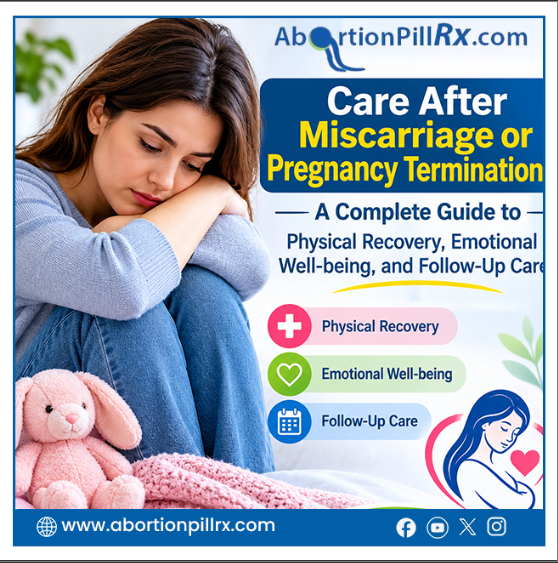
Whether you experience a miscarriage or choose to undergo a pregnancy termination, the impact lasts not just on the mind but physically too. As such, you may wonder what to do after a miscarriage and how to regain strength. However, with patience and right guidance, recovery after pregnancy loss can become a smoother journey.
In this blog, we will discuss miscarriage and pregnancy termination recovery processes, what you can do about post-abortion care, and the way forward considering the following aspects.
1. Physical Recovery
After the pregnancy ends, vaginal bleeding and spotting for two to four weeks is normal. The flow gradually reduces and so does the abdominal cramping. Since the uterus contracts to shed the pregnancy tissue, pain relief medicines like Paracetamol and Ibuprofen can reduce the discomfort.
If you feel tired due to the sudden shifts in the body, stay hydrated and rest as much as possible, and avoid physical strain. To continue care after miscarriage, avoid tampons and menstrual cups till the bleeding lasts.
Since human chorionic gonadotropin (hCG), estrogen, and progesterone levels start to reduce after pregnancy termination, breast tenderness, mood swings, night sweats, and some amount of lactation is expected, resolving in 4 to 6 weeks.
2. Personal Hygiene
If you are thinking about what to do after miscarriage for personal hygiene, start with keeping yourself clean. Do not douche but you can clean the vulvar area front to back with plain water. Take gentle showers. Avoid hot tubs when bleeding as it can make the uterine cavity vulnerable to bacterial infection. For the bleeding, use large sanitary napkins and monitor the flow. Change pads on time and do not let any soak excessively.
3. Nutrition and Hydration
For swift recovery after pregnancy loss, focus on supplying yourself with essential nutrients. To normalize energy and hormone levels as well as develop red blood cells, certain dietary adherences are required at the earliest. Since you lose blood, iron-rich foods help replenish red blood cells.
So, eat iron-containing foods such as lentils, spinach, tofu, chickpeas, and lean meats along with vitamin C items like bell peppers, oranges, levels, etc. to boost absorption of iron. Plan a balanced diet, with meals packed with calcium, healthy fats, protein, and complex carbohydrates.
Drink plenty of water daily and electrolyte liquids for hydration. Add some vegetable and meat broths in between meals and warm herbal teas in the mornings and evenings, for added relief and support metabolism.
4. Emotional Well-being
You may feel sadness, guilt, anger, numbness, relief – multiple emotions at a time or just one, because abortion or miscarriage may have an emotional impact, recovering from which is important. Accept your feelings without judgment and speak to trusted friends, family members, partners about the experience, or your feelings, to ease your mind.
You can also seek professional help for pregnancy termination recovery in regards to psychological effects such as trauma, depression, stress, or anxiety. A mental health therapist can help manage reproductive loss.
5. Rest and Daily Activities
Take a few days off from work and daily routine, to spend time relaxing and recuperating. You need physical and mental peace and strain-less time. Do not lift heavy objects or participate in intense workout sessions. Share the daily chores with others to take some load off your shoulders.
Go on casual walks but avoid straining your muscles. To step up the post-abortion care, do not engage in vaginal intercourse till the bleeding ends, and refrain from conceiving immediately after the episode.
6. Follow-Up Care
While the pregnancy tissues and endometrial lining exist in the uterus, a follow-up appointment 2-3 weeks after the event is necessary for clinical check. The healthcare professional may conduct a pelvic ultrasound to scan if the uterus contains pregnancy tissue leftovers or not. They may also check how the uterus is healing and discuss the tips for care after miscarriage, your overall wellness, when to expect the next period, and a lot more.
7. Warning Signs
If you are confused as to what to do after a miscarriage in case of complications, do not panic but seek emergency care. The episodes for which you must seek medical attention are high fever over 100.4°F (38°C) for more than 24 hours, foul-smelling or discolored vaginal discharge, intense pelvic pain not reduced by pain relief steps, soaking 2 or more large pads per hour for 2 hours, or extreme dizziness / weakness, etc.
8. Future Pregnancy and Planning
As a part of recovery after pregnancy loss, future planning to conceive a child could be on the cards. However, do not rush to conceive and avoid sexual intercourse until the bleeding stops. Use birth control as ovulation can happen in 8 to 11 days after pregnancy termination or loss, raising the risk of an unplanned pregnancy. If you want to conceive, wait for at least 1 to 2 normal menstrual cycles before that.
Conclusion
The journey to pregnancy termination recovery includes not just taking sufficient rest, eating balanced meals and nutritious foods, and coping with emotions, but guidance from a healthcare professional when required. Seek post-abortion care support to have a smooth healing. Also, if the loss was sudden, care after miscarriage becomes more eminent, both physically and emotionally.